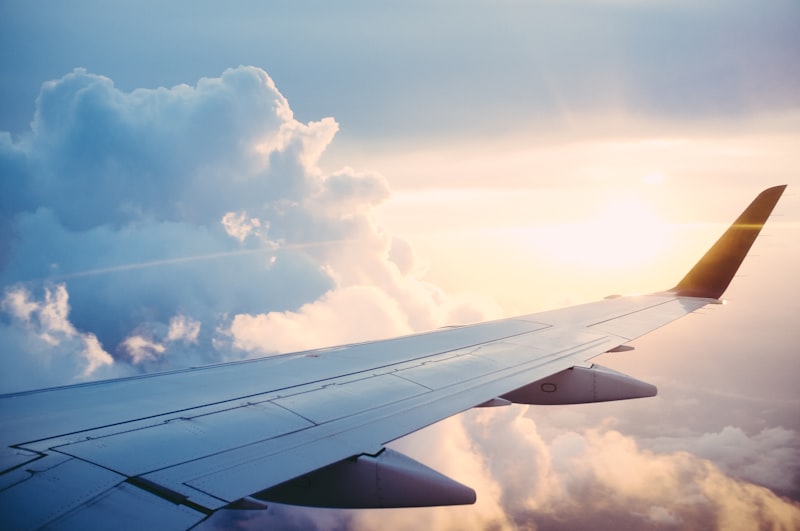
The difference between arriving at your destination exhausted and arriving functional often comes down to what you pack in your carry-on. After decades of long-haul flights—I've lost count somewhere around a million miles—I have a system that consistently gets me off 14-hour flights feeling reasonably human. It took years of painful trial and error to develop, and I'm giving it to you here.
The Comfort Essentials
Temperature on planes fluctuates wildly. The airline thermostat seems to oscillate between tropical and arctic depending on which flight attendant is at the controls. Layers are non-negotiable. I bring a light merino wool sweater that packs small and doesn't wrinkle, plus a pashmina-style scarf that serves triple duty as blanket, pillow, and fashion piece when you land looking presentable.
Foot swelling is real on long flights. Tight shoes that fit in the morning can become uncomfortable by hour 10. Wear the most spacious shoes you own to the airport and switch to compression socks for the flight itself. Yes, they look ridiculous. No, I don't care when I'm landing with functional feet.
The airplane pillow question: inflatable pillows never work as well as advertised. A small memory foam travel pillow actually does the job. I also bring a weighted sleep mask—the pressure on your eyes actually helps you fall asleep faster in the reclined position that long-haul seats offer.
The Skincare Kit
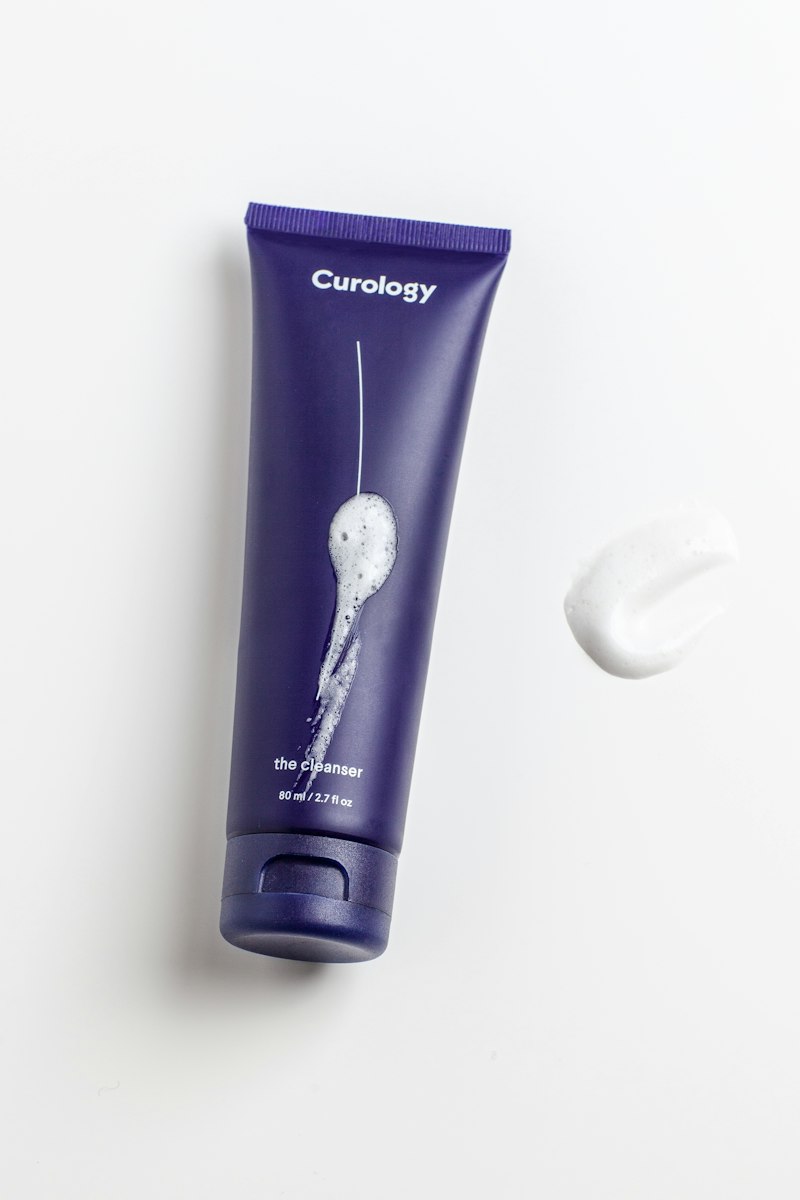
The airplane cabin is roughly 10% humidity. Your skin will be unhappy. A complete skincare routine in miniature form takes minimal space and makes an enormous difference in how you feel upon landing.
My kit: micellar water wipes for quick cleansing without a sink, a hydrating serum under moisturizer, SPF 50 because UV exposure through windows is real, lip balm with SPF, and hand cream because dry hands on long flights are misery. Everything goes in a single quart bag that complies with TSA liquid rules. Skip the full-size products—your destination has stores if you run out.
Entertainment Strategy
IFE systems are inconsistent and sometimes broken. Download movies and shows to your device before flying—Netflix downloads work offline, and I've found the selection better than most airline systems. Bring noise-canceling headphones that actually work; the cheap earbuds airlines provide are not a substitute. If you're in business class with noise-canceling built in, bring your own as backup.
For work, I download email attachments and necessary documents before flights. In-flight WiFi is expensive and unreliable. Having what you need offline means you can actually use transit time productively rather than staring at a spinning loading wheel.
The Medication Considerations
Motion sickness pills like Dramamine make some people sleepy but can be useful on turbulent routes. I keep ibuprofen in my carry-on because headaches at 38,000 feet are miserable, and tension builds in your neck and shoulders on long flights. Any prescription medications go in my carry-on with enough for the trip plus a few extra days—lost checked bags are rare but not unheard of, and being without essential medications in a foreign country is a disaster.
Natural sleep aids like melatonin are worth experimenting with on night flights. melatonin helps reset your circadian rhythm when crossing time zones, and the drowsy effect helps you sleep through the flight. Test at home first to understand how you respond—the last thing you want is a paradoxical wakeful reaction at 30,000 feet.
The Carry-On Versus Checked Bag Calculation
For trips under two weeks, I do carry-on only. This requires discipline: choosing a bag that meets airline carry-on dimensions (which vary—check before you fly), selecting clothes that work together and don't require dry cleaning, and accepting that you'll be doing laundry during your trip. Two pairs of shoes maximum, everything coordinated, nothing that wrinkles irreparably.
The freedom of not waiting for baggage claim, not losing your bag to airline mishandling, and moving through airports faster is worth the constraint. Use our Packing List Generator to build a kit that actually fits in a carry-on while including everything you need.
Hydration Strategy
Water is the unsung hero of long-haul travel. The plane's low humidity means you're losing water faster than normal, and altitude affects your hydration status even before you factor in the dry cabin air. I bring an empty reusable water bottle through security and fill it after—airport water is drinkable, and this saves buying expensive bottles while also reducing plastic waste.
During the flight, I drink water continuously rather than caffeinated or alcoholic beverages. Alcohol accelerates dehydration and worsens jet lag. Asking for water every time a flight attendant passes rather than waiting until you're thirsty means you're consistently hydrating. It also means you're getting up to use the bathroom regularly, which is the only way to maintain circulation on long flights.